We use cookies to make your experience better. To comply with the new e-Privacy directive, we need to ask for your consent to set the cookies. Learn more.


Router Basics
OpenVPN: The Proven, Compatible VPN Protocol
A secure tunnel only you and the people you trust can access. OpenVPN is the long-standing open-source standard — battle-tested, broadly supported, and right at home on a router.
15+ Years of Pre-Configured Routers · 50,000+ Routers Configured · US-Based Support · Official NordVPN Partner
The short version
- OpenVPN is the long-standing open-source VPN standard, trusted for security and near-universal compatibility.
- It's built on OpenSSL with strong authentication and configurable, well-audited encryption.
- For raw speed WireGuard is faster; for compatibility OpenVPN is hard to beat — and most FlashRouters support both.
Overview
The standard that made router VPNs possible
OpenVPN is the software that makes a secure tunnel simple: it lets your devices connect to a private, encrypted network so your data stays sealed off from everyone else. Think of it as a tunnel only you — and the people you choose — can enter.
It's open-source, maintained by a large and active community, and supported by virtually every VPN provider and platform on the market. That maturity and reach are exactly why it's been the dependable choice for years.
For raw speed, the newer WireGuard protocol pulls ahead — but when compatibility matters most, OpenVPN is hard to beat. FlashRouters ships routers pre-configured for either.
An OpenSSL-encrypted, authenticated tunnel between you and the network you control.
Why OpenVPN
What makes it the dependable choice
Three strengths that have kept OpenVPN the default for over a decade.
Widely supported
Works with nearly every VPN provider, operating system, and device — if a service offers router setup, it almost certainly supports OpenVPN.
Strong, flexible security
Built on the OpenSSL library with peer authentication and configurable ciphers, it offers robust, well-audited encryption you can tune to your needs.
Open-source & battle-tested
Years of community scrutiny and real-world use mean a mature, transparent protocol with a deep base of documentation and support.
OpenVPN vs WireGuard
Which protocol is right for you?
It's no longer a question of OpenVPN versus old protocols like PPTP — those are outdated. Today's real choice is OpenVPN for compatibility or WireGuard for speed.
New to all of this? Start with what a VPN is. OpenVPN remains the most compatible option and a proven performer, ideal when your provider or setup calls for it. WireGuard is leaner and faster, with lower latency for streaming and gaming. Most FlashRouters support both, so you're never locked in. For the full speed-and-security head-to-head, see our WireGuard comparison.
On a Router
Running OpenVPN on your router
Most consumer routers don't include OpenVPN out of the box. We fix that.
The barrier for most people isn't OpenVPN itself — it's getting it onto the router. FlashRouters pre-flash enhanced firmware like DD-WRT and AsusWRT-Merlin with full OpenVPN support, then pre-configure your provider. Set it up once and every device on the network — phones, laptops, TVs, consoles — uses OpenVPN automatically, including hardware that can't run a VPN app. Want a separate, isolated VPN network alongside your existing one? See the dual router setup.
Easiest path
OpenVPN, configured before it ships
Skip the firmware flashing and certificate juggling. Your FlashRouter arrives with OpenVPN installed and your provider set up — plug in and you're protected.
Best Selling
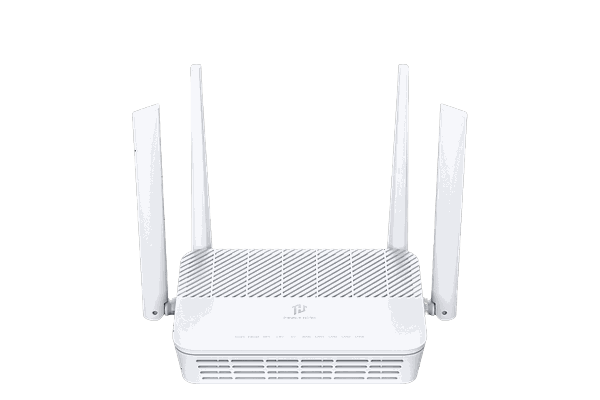
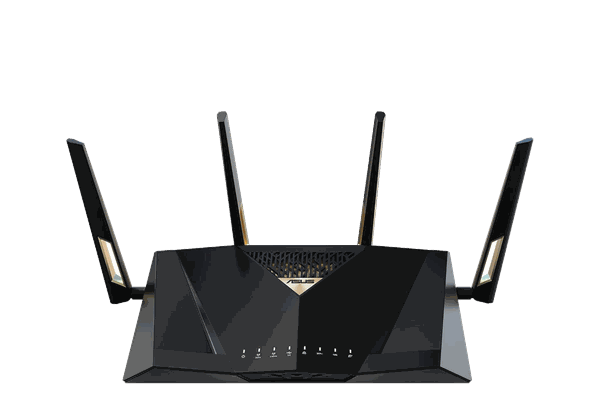
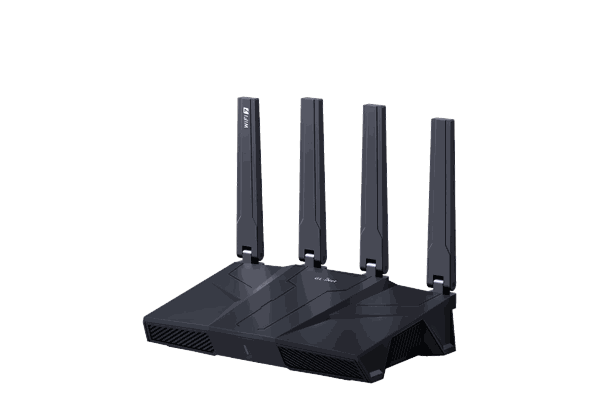
Recommended OpenVPN routers
Pre-configured with OpenVPN and your provider — or browse all VPN routers.
Most popular
Privacy Hero 2
App-guided whole-home coverage with built-in streaming relocation — no subscription required, and no networking experience needed.
Shop Now →Most powerful
ASUS RT-BE88U
Top-tier Wi-Fi 7 hardware for heavy OpenVPN throughput across a device-packed home, pre-configured for your provider and ready to go.
Shop Now →OpenWrt-based
GL.iNet Flint 3
A flexible Wi-Fi 7 router running OpenWrt-based firmware — a solid OpenVPN pick if you like the openness of open-source, at home or on the go.
Shop Now →OpenVPN-compatible providers: OpenVPN works with virtually every major VPN service — NordVPN, ProtonVPN, ExpressVPN, Surfshark, Mullvad, and more. We'll configure yours before your router ships. See all supported VPNs.
FAQ
OpenVPN questions
The essentials before you set it up.
What is OpenVPN?
OpenVPN is an open-source VPN protocol that creates a secure, encrypted tunnel between your device and a private network. It's one of the most widely supported and trusted protocols available.
Is OpenVPN secure?
Yes. It's built on the proven OpenSSL library with strong peer authentication and configurable encryption, and it's been hardened by years of open community review.
OpenVPN vs WireGuard — which is better?
OpenVPN wins on compatibility and track record; WireGuard wins on speed and low latency. Most FlashRouters support both, so you can choose per use case.
Can I run OpenVPN on my router?
Yes, with the right firmware. FlashRouters pre-flash DD-WRT or AsusWRT-Merlin with OpenVPN and pre-configure your provider, so every device is covered automatically.
Will OpenVPN slow down my connection?
Encryption adds some overhead. A capable router keeps it minimal, and switching to WireGuard can recover speed if your provider supports it.
Ready to set up OpenVPN?
Get a router with OpenVPN pre-installed and your provider configured — whole-home protection without the setup headache.
Shop OpenVPN Routers Take the Router Quiz
If you're interested in protecting your sensitive online data with VPN support, then you need to get to know OpenVPN.
OpenVPN is the software that makes it all possible. OpenVPN’s purpose is simple; it allows you to connect to other devices within one secure network. VPNs secure your online data by tunneling them through encrypted servers, but if you’re looking to keep that very same information safe, and share it with a few trustworthy people (whether they’re employees or friends or family), OpenVPN allows you to do that.
Consider it a secure tunnel that only you and those you want to know about it can access.
You and those you want to join you on your OpenVPN network authenticate each other through pre-shared secret keys, certificates, or a user name/password set-up.
Easy-to-use VPN Software
OpenVPN is the most intuitive and easiest-to-use of all VPN software. Newcomers and experts alike can appreciate OpenVPN's user-friendly nature.
Strongest Security Features
OpenVPN has the strongest features of any VPN protocol, particularly in terms of online security. Users of OpenVPN will reap the benefits of software safeguarded by some of the most advanced technologies available. Peer authentication and powerful encryption standards keep your VPN experience safe.
Open Source Community
OpenVPN is an open protocol, as the name implies. The source code is available to all, and modifications from a vibrant and active community are encouraged and welcomed. OpenVPN thrives on the contributions of its users.
Best Selling OpenVPN Routers
-
 Privacy Hero 2 - Wireguard Support For Most Popular VPNsSpecial Price $149.99 Regular Price $249.99
 -

OpenVPN Features
- Tunnel any IP subnetwork or virtual ethernet Adapter over a Single UDP or TCP Port
- Configure a scalable, load-balanced VPN server farm using one or more machines which can handle thousands of dynamic connections from incoming VPN clients
- Use all of the encryption, authentication, and certification features of the OpenSSL library to protect your private network traffic as it transits the internet
- Use any Cipher, Key Size, or HMAC Digest (for Datagram Integrity Checking) supported by the OpenSSL library
- Choose between Static-Key Based Conventional Encryption or Certificate-Based Public Key Encryption
- Use static, Pre-Shared Keys or TlLS-Based Dynamic Key Exchange
- Use real-time adaptive link compression and traffic-shaping to manage link bandwidth utilization
- Tunnel networks whose public endpoints are dynamic such as DHCP or Dial-In Clients
- Tunnel networks through connection-oriented stateful firewalls without having to use explicit firewall rules
- Tunnel networks over NAT
- Create secure ethernet bridges using virtual tap devices
- Control OpenVPN using a GUI on Windows or Mac Os X
OpenVPN FAQs
Choosing Between VPN Protocols
So why choose OpenVPN over PPTP or L2TP?
What are the advantages of other VPN protocols? A PPTP solution is easy to setup and use, and provides fast connection. It is recommended for users whose main concern is setup simplicity and accessing blocked or restricted content or websites in their area. PPTP is NOT recommended for those whose primary intent is network encryption and security, since PPTP is not as secure and reliable. However, in certain countries, other VPN protocols are unavailable or banned, so PPTP is better than nothing at all.
An L2TP/IPSec VPN connection is slower, yet secure and reliable. It may be a step up from PPTP but interoperability between devices can be difficult and varied.
The clear winner in the battle of VPN protocols is OpenVPN which provides speed and security, but is not an out of the box feature in most operating systems. We recommend OpenVPN because it often offers the best of both worlds (speed and security) when it comes to VPNs services.
How to Integrate OpenVPN on a Router
Sadly, OpenVPN is not an included option on most consumer routers right out of the box. We think it should be so we flash all our routers with enhanced firmware with full OpenVPN implementation as a client connection or to create your own OpenVPN server (this goes for PPTP as well.).
The one issue for most people with OpenVPN integration is the barrier of knowledge to entry and that is where we can give a helping hand. Each VPN provider has a different way to setting up their OpenVPN connection and how to do it within a router. Using a VPN provider within a router means that the setup only has to be done once and can cover all of your devices. Any device connected to an OpenVPN connected router will be using OpenVPN even if it is not an integrated option on your iPhone, Tablet, Roku, or SmartTV. OpenVPN for every device!
